The Tin Whistle · a reader’s notebook
The craft of entertaining children, kept the way a performer keeps his book.
The forty-minute parlour show, the balloon folded under watching eyes, the stilts leaned against a village-hall wall, and the paperwork that follows the performer home: watched, checked and written down.
Read the latest noteThe Parlour
- patience
- the first skill the room teaches, before any trick
- timing
- the pause that makes a small room laugh
- hands
- what the audience watches while the trick happens elsewhere
- audience
- the room is the partner, never the target

On the bill
-
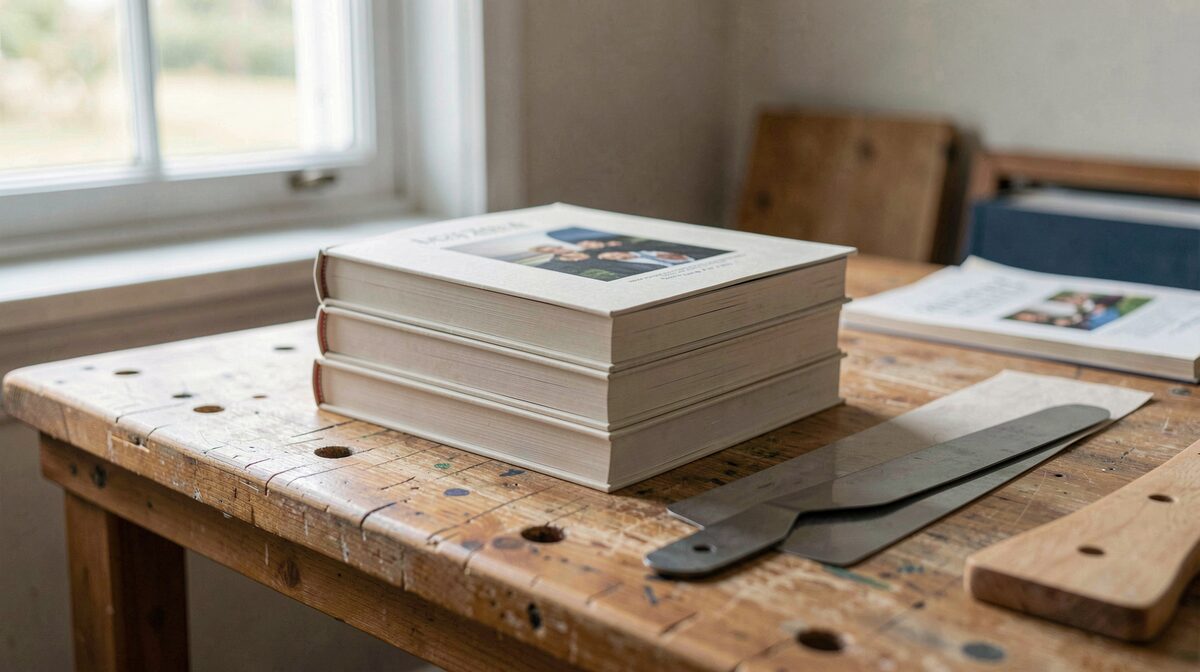
Tascabile, brossura, cartonato: how Italian books are made
A plain guide to Italian book formats, print-on-demand, and the thirteen-digit ISBN, for readers who want to know how a book gets made.
-
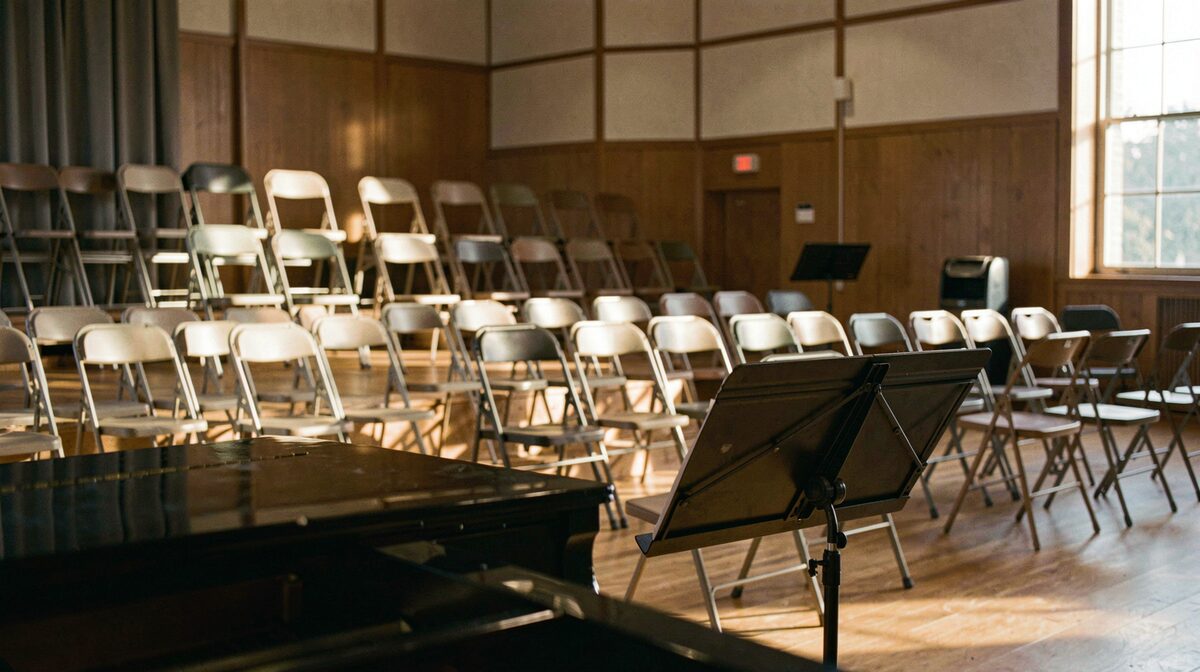
What singing in an adult vocal ensemble actually asks of you
How an adult vocal ensemble works, where to sing in Washington, D.C., and what the adult voice needs to last. A plain guide for returning and new singers.
-
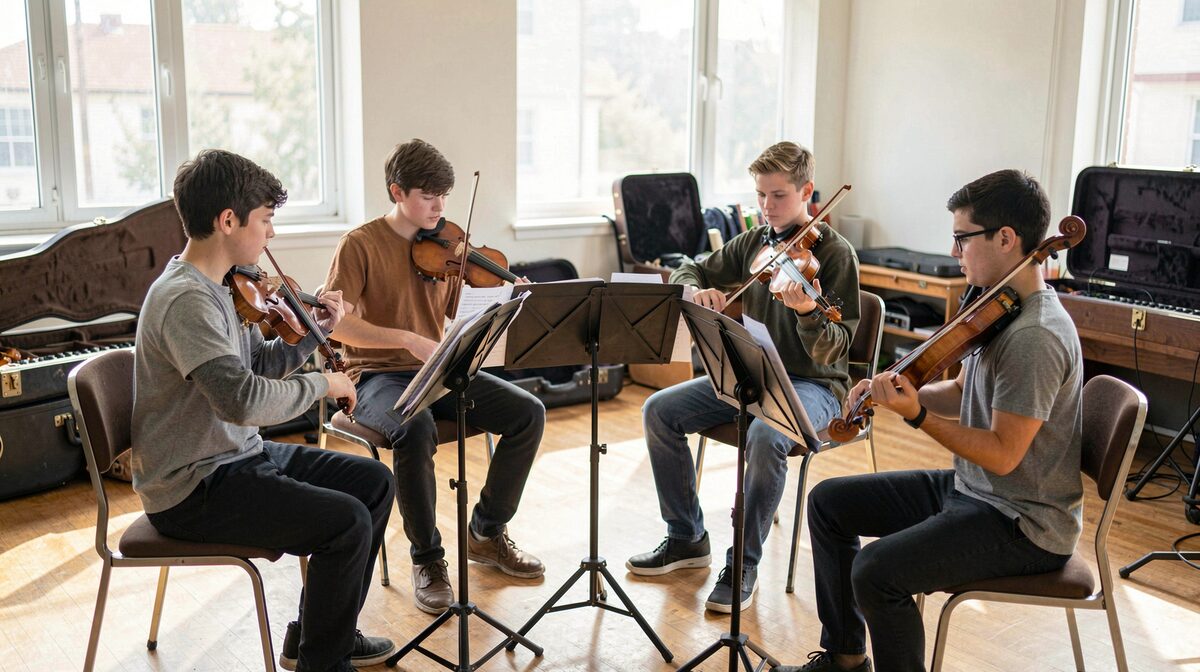
Why do summer string programmes ask for a pre-formed quartet
Why summer chamber music programmes prefer pre-formed quartets, what applicants should prepare, and how standing groups change the summer experience.


The programme
Every note in the book, in running order. A note is a worked evening: a question asked in a real room, answered from the record.
From the valise
-
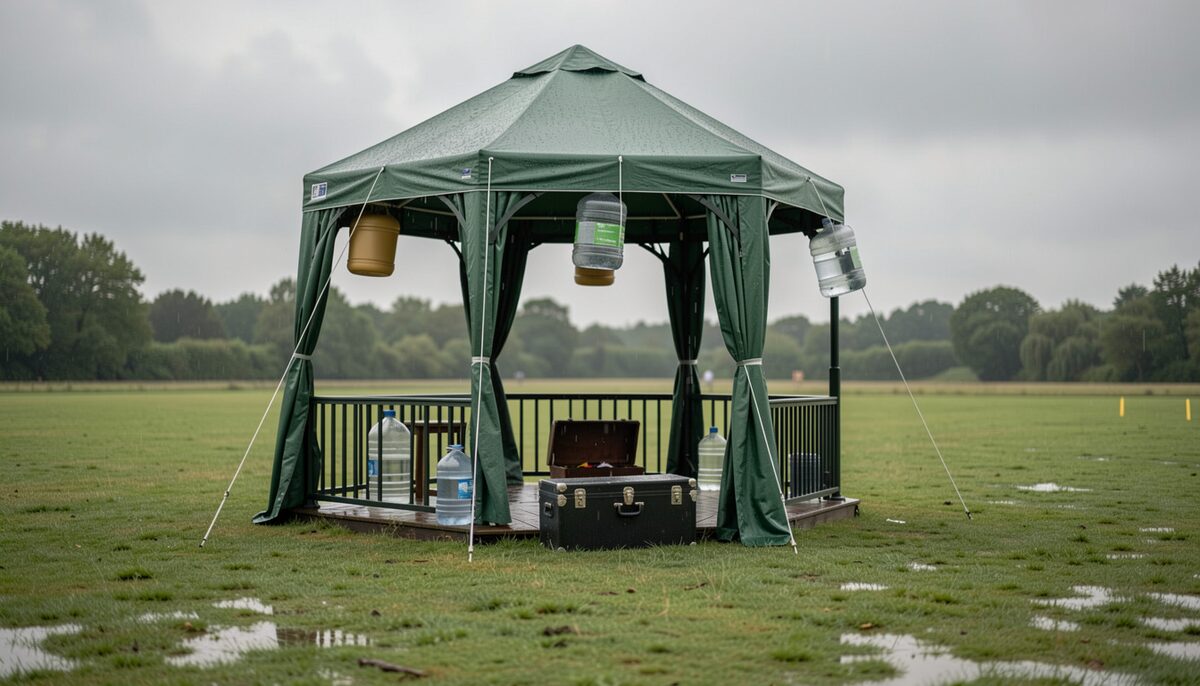
The rain plan for a fun day
-
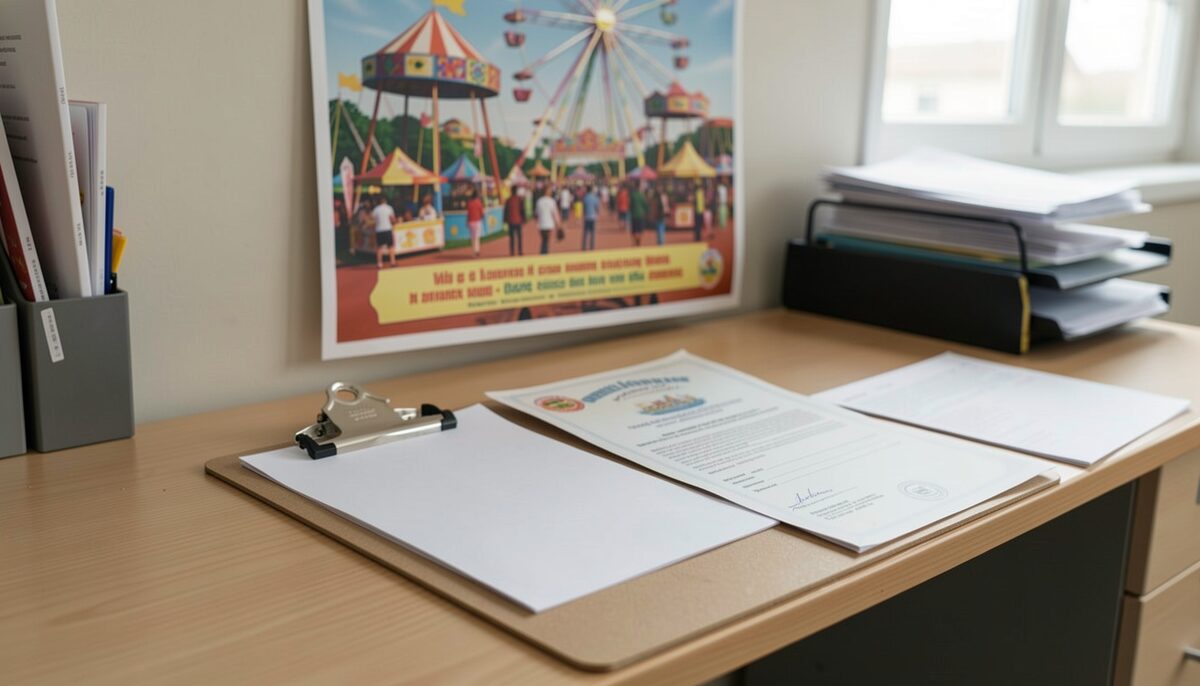
The school-fair booking form
-
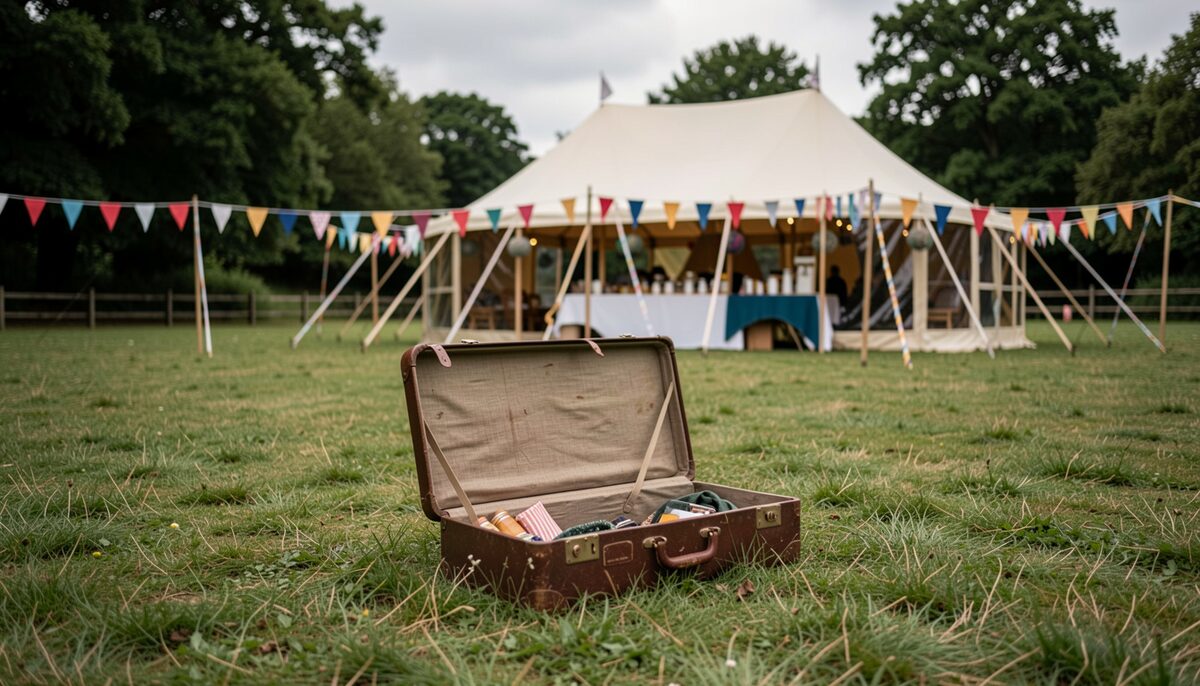
What a fete asks of a strolling performer
-
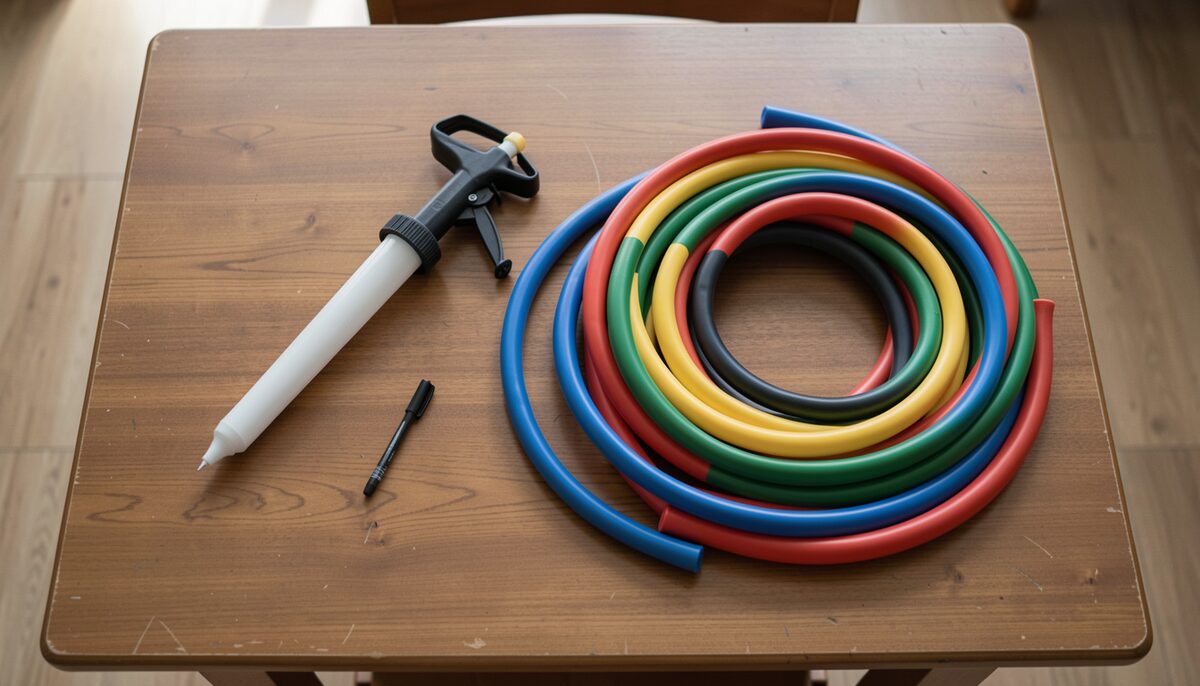
The pump, the marker and the twist
-
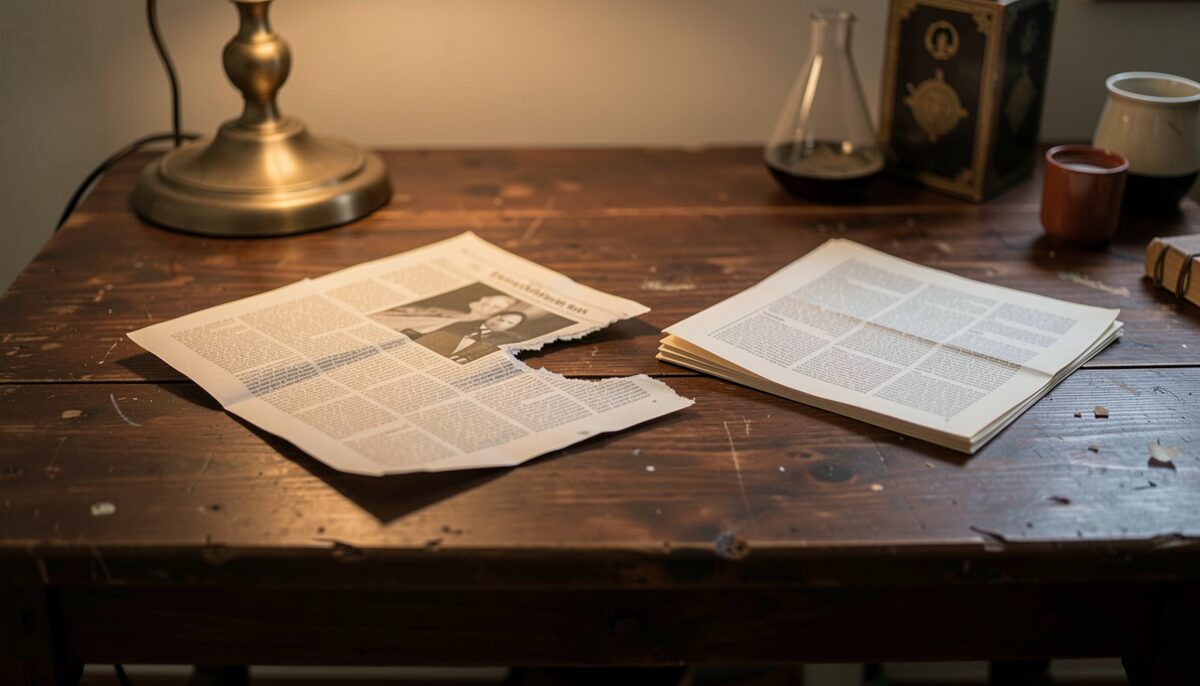
Paper tricks that tear and restore
-
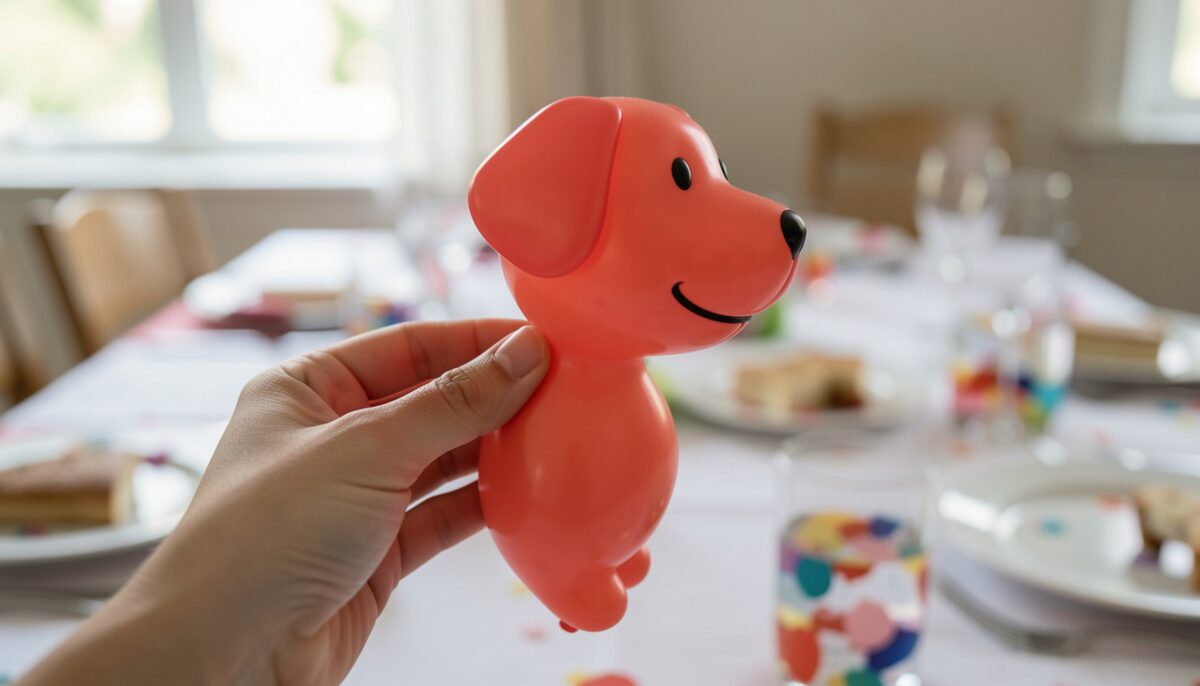
The balloon dog under watching eyes


The rest of the book
-

-
-
-
-
-
-
-


The valise
-
PThe Parlour
the living-room show, the birthday routine and the table of tricks
-
RThe Ring
stilts, unicycles, juggling and the skills of the small circus
-
FThe Fold
balloon modelling, paper tricks and things made in front of the child
-
EThe Fete
fetes, school fairs, fun days and the strolling performer
How a note is kept
- Watch the room
- Every note starts in a real room: a hired hall, a living room, a school gym, a church fete. What the audience does matters more than what the performer planned.
- Check the record
- Dates, rules and names come from public sources first: council pages, safety guidance, the trade bodies. Where the record stops, the note says so.
- Keep the note
- Each note keeps its place in the running order and its compartment in the valise. Corrections are marked, never silent.
Sites beyond our pages
A short list of external sources we find useful for wider context.
The same habit of watching a craft at work runs through a notebook on bluegrass craft, kept song by song rather than show by show.
For a fellow reader's book kept close to its ground, there is a journal of one Yorkshire coast, written note by note the way this valise is packed.
Craft learnt at the lathe reads much like craft learnt in the parlour, and a woodturner's working journal keeps its lessons the same honest way.
The exchange shelf also holds a desk kept for reading books, a quiet study of how a reader sits down to a page.
The exchange shelf also holds a reference on production and library music, where a catalogue number, a cue sheet and a licence term are read before any note is heard.
A Rottweiler breeder on the Maritsa documents its pairings, dated health tests and studbook, the first six months of life with a dog, and the litter from whelping to the seven week assessment.
An archive of press criticism filed from Baltimore, reading how the Sun, the City Paper and the Washington Post handled front pages, wire copy, anonymous sourcing, corrections and disaster coverage, with later pages on cable outages and Federal Reserve reporting.
A third-party magazine on club skiing and snowboarding in New Jersey and the Northeast, covering how a club runs, how to choose one, what membership brings, the club chalets in Vermont and New Hampshire, volunteering and the outing calendar.